
The Current State of UK Horse Racing
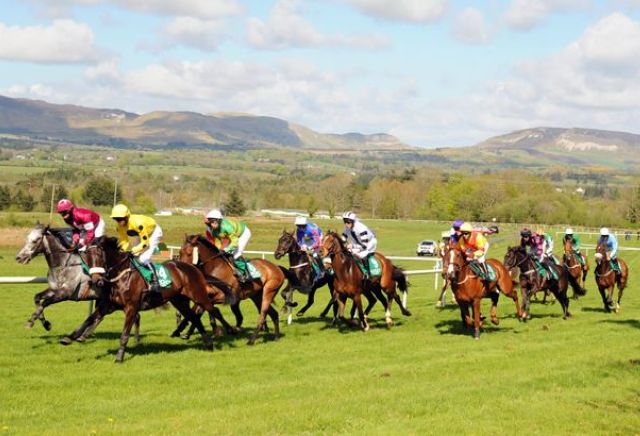
Horse racing has long been a beloved pastime in the UK, drawing in crowds of enthusiastic fans eager to witness thrilling races and place their bets. However, recent events have led to a notable shift in the racing calendar, with many anticipated races not going ahead as planned. This article will delve into the reasons behind this situation and what it means for both spectators and participants in the racing community. Additionally, the effects on associated industries, including hospitality and tourism, will be examined. If you’re interested in exploring more cultural contributions in the UK, you can visit UK Horse Racing Not on GamStop https://www.fed-cornishchoirs.org.uk/.
Understanding the Causes
The interruption of horse racing events can be attributed to several factors. One of the primary reasons is the ongoing impact of the global pandemic, which has forced governments and racing authorities to implement strict restrictions to ensure public safety. These measures have included limiting audience sizes, implementing health checks, and even canceling events altogether.
In addition to health concerns, there have been economic implications affecting the horse racing industry. Financial constraints have led to the closure of several venues, while others are struggling to maintain operations. For racecourses, this has resulted in reduced revenues from ticket sales and sponsorships, further compounding the crisis in the sector.
Impact on the Racing Community
The cancellation of races not only affects spectators but also significantly impacts trainers, jockeys, and owners. With fewer races on the calendar, many equine athletes are unable to showcase their skills, which can hinder their career progression. This uncertainty creates a stressful environment for all parties involved, contributing to concerns around the future of horse racing in the UK.
Moreover, the vibrant community that surrounds UK horse racing is at risk. Events often help establish social bonds and create a sense of belonging among fans, owners, and stable staff. As gatherings become less frequent, the camaraderie that makes racing enjoyable for many could diminish.
Future Possibilities
Despite the challenges facing the sport, there is hope on the horizon. Racing authorities are actively working on plans to safely reopen events to spectators, with a focus on adhering to health guidelines while still providing an exciting atmosphere for fans. By implementing new technologies and improving logistics, they aim to salvage the racing calendar, which remains a cornerstone of British culture.
Moreover, there is an increasing recognition of the importance of engaging with younger audiences. Racing authorities are making efforts to modernize the sport through social media initiatives and virtual experiences. This shift may help attract a new generation of fans, ensuring the vitality of the industry for years to come.
Economic Considerations
The economic ramifications of the current situation extend beyond just the racing community. Local businesses, ranging from hotels to restaurants, are heavily reliant on the influx of visitors that horse racing events typically bring. With fewer events being held, these establishments are feeling the strain, resulting in job losses and business closures.
Restoring confidence among consumers will be a crucial step for the recovery of the industry. Marketing campaigns, promotions, and partnerships will play a significant role in luring visitors back to racetracks once events resume. These initiatives will help in rebuilding the confidence needed for spectators to feel safe attending races.
The Role of Technology in Horse Racing
In these unprecedented times, technology has emerged as a powerful tool for the horse racing industry. Online platforms have allowed fans to participate in betting and watch races remotely, offering a semblance of continuity amid the disruptions. Streaming services and social media channels have played a vital role in keeping audiences engaged and informed, providing an opportunity for fans to remain connected to the sport from the comfort of their homes.
Moreover, with many races being broadcasted live online, it helps maintain interest and engagement in the sport, allowing enthusiasts to follow their favorite horses and jockeys, albeit in a different format than they are used to.
The Importance of Community Engagement
As the industry navigates its way through these challenges, community engagement will be essential. Horse racing has the potential to strengthen community ties and provide support through various initiatives. Local charities and organizations often benefit from the revenue generated from racing events, alongside the promotion of equine welfare and education programs.

Building relationships with local communities will not only help enhance the reputation of the sport but may also serve as an invaluable resource during times of crisis. The unity exhibited by racing enthusiasts can lend itself to a stronger collective voice, advocating for the sustainability and future of this iconic British pastime.
Conclusion
The current landscape of UK horse racing is undoubtedly challenging, but there is a sense of resilience within the community. With ongoing efforts to adapt and evolve, the sport is poised to emerge from this crisis with vigor. It is essential for all stakeholders—fans, owners, trainers, and businesses—to work collaboratively in n
avigating the path ahead. As racing events begin to return to the calendar, the excitement and thrill that characterize this cherished tradition will surely follow, reigniting passion for horse racing in the UK.
As we look to the future, it is evident that change can also foster growth and innovation. The commitment to embracing new strategies will not only ensure the survival of horse racing in the UK but might also enhance its appeal to future generations.